
Most people who message us about rough gemstones for the first time ask some version of the same question: how do you actually know if a stone is good? There's no shortcut that replaces years in the trade, but there are a handful of things worth learning to look at, whether you're buying your first specimen or sourcing a parcel for resale.
01Color
Color is usually the first thing anyone notices, and it's still the biggest driver of value in most gemstone varieties. Look at saturation and tone rather than just hue. A stone with rich, even color reads as more valuable than one that's pale or patchy, even within the same species. Hold the stone in natural daylight rather than under artificial light, since color can shift noticeably between the two.
02Clarity & Inclusions
Rough stones almost always carry some internal characteristics, called inclusions. That's normal and doesn't automatically mean a stone is low quality. What matters is whether the inclusions are visible to the naked eye and whether they sit somewhere that will affect the finished piece once it's cut. A loupe (typically 10x magnification) is the standard tool for this.
- Eye clean: no visible inclusions without magnification
- Lightly included: minor inclusions, generally not obvious at a glance
- Included: visible inclusions that may affect durability or cutting yield
03Crystal Shape & Yield
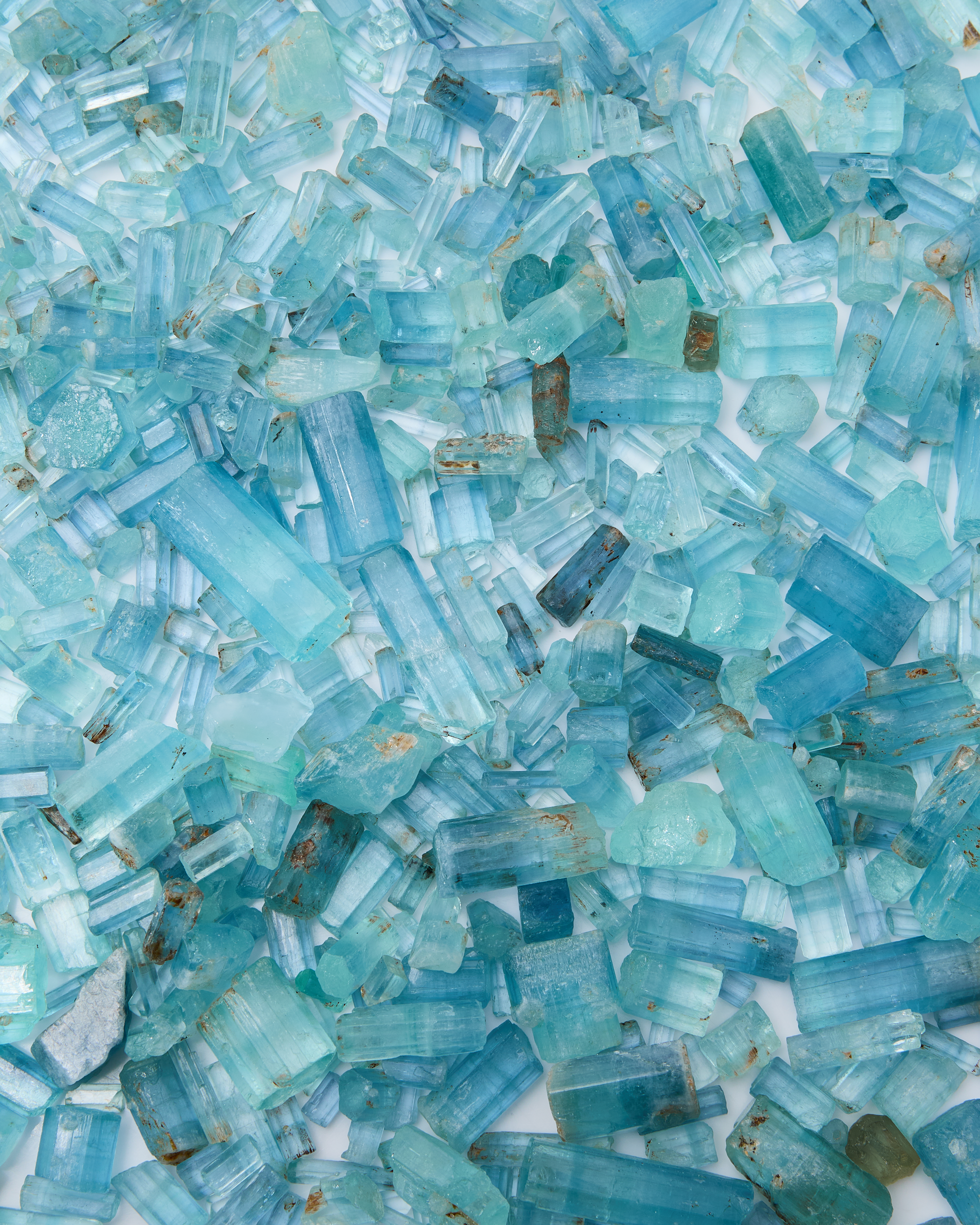
For anyone buying rough with cutting in mind, shape matters as much as color or clarity. A well-formed crystal with clean, even faces will generally yield more finished carat weight than a fractured or oddly shaped piece of the same rough weight.
04Weight & Scale
Rough gemstones are typically weighed and sold in carats, same as cut stones, though rough material is priced differently since a portion of the weight is lost during cutting. When you're comparing two parcels, weight alone doesn't tell you much without also factoring in color, clarity, and expected yield.
05Trust Your Source
All of the above matters less if you can't trust who you're buying from. Ask where the material was sourced, whether it's been personally inspected, and how the seller grades what they sell.